
How Our Cement Grinding Aid Improves Portland Cement 42.5 Output & Saves Energy Cost
Jul 10,2025


Cement Grinding Aid helps improves cement output and saves energy cost
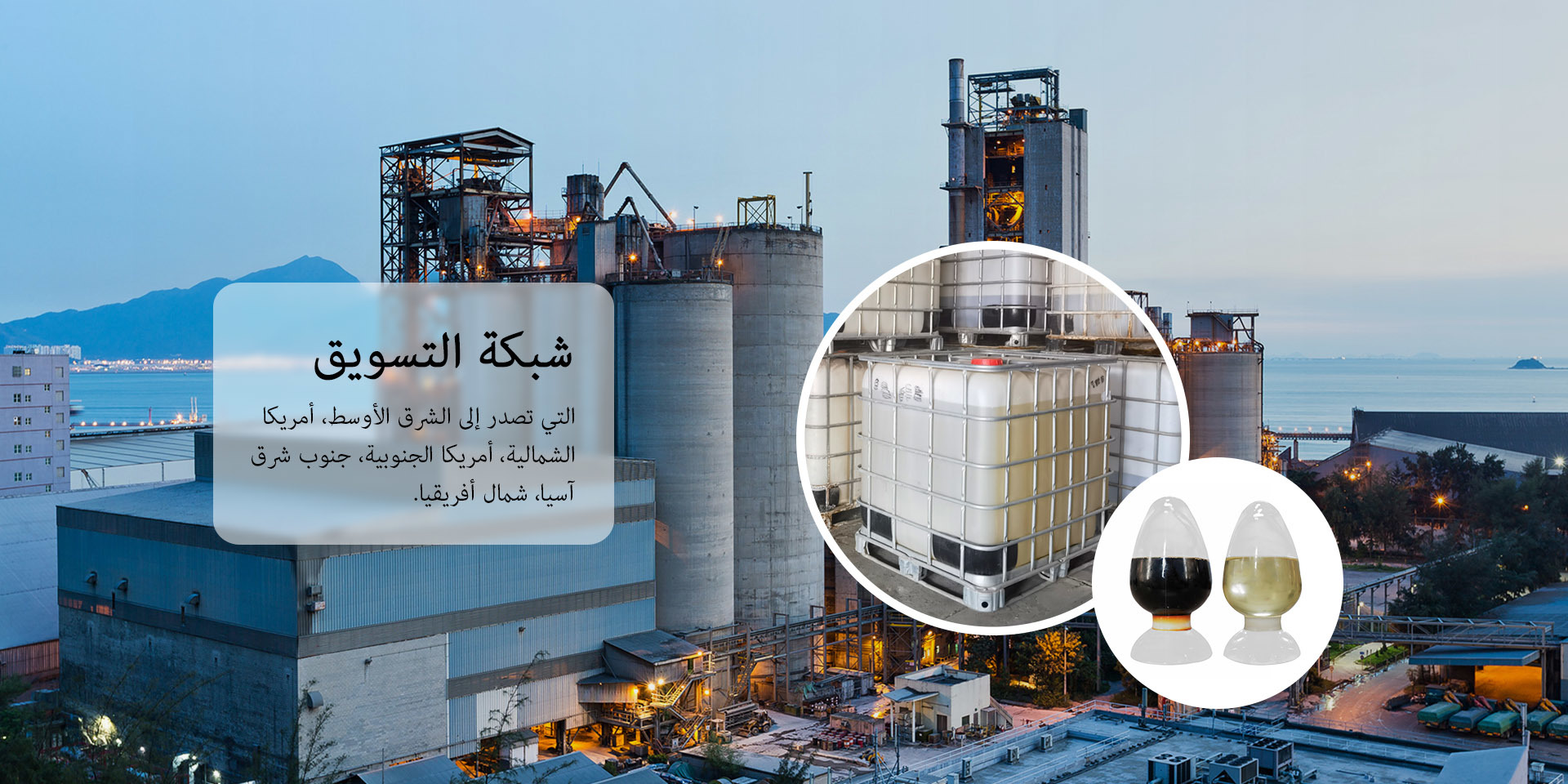
For manufacturers focused on Portland cement 42.5—renowned for its balanced strength and versatility in construction—incorporating cement grinding aid is a strategic move that directly enhances production outcomes and business performance. This specialized additive is not just a productivity booster but a key driver of quality, efficiency, and profitability in 42.5-grade cement production. Let’s explore its targeted benefits.
First and foremost, grinding aid ensures consistent strength development, a critical factor for Portland cement 42.5, which must meet strict compressive strength standards (42.5 MPa at 28 days). During grinding, clinker particles often agglomerate, leading to uneven fineness and inconsistent reactivity. Grinding aid breaks down these clusters, promoting uniform particle size distribution. This uniformity accelerates hydration, ensuring the cement reaches its required 28-day strength reliably. Manufacturers report up to 5% higher early strength (at 3 and 7 days) and more stable 28-day results, reducing the risk of batch failures and strengthening compliance with industry standards like ASTM C150 or EN 197-1.
Beyond strength, grinding aid optimizes mill efficiency, a game-changer for 42.5 production. Portland cement 42.5 typically requires a finer grind than lower-grade cements to achieve its strength profile, which demands more energy and time. Grinding aid reduces friction between particles, allowing mills to process clinker and additives (such as gypsum) more efficiently. This translates to a 10-15% increase in mill throughput—meaning more tons of 42.5 cement produced per hour—without upgrading equipment. For example, a plant producing 500 tons/day of Portland cement 42.5 could see output rise to 550-575 tons/day, directly boosting revenue potential.
Energy savings are another significant advantage. The grinding stage consumes 40-50% of total energy in cement production, and 42.5-grade’s finer grind intensifies this demand. By improving particle flow and reducing mill load, grinding aid cuts energy consumption by 8-12% per ton. Over a year, a medium-sized plant producing 200,000 tons of Portland cement 42.5 could save thousands of kilowatt-hours, slashing operational costs while lowering carbon footprints—a dual win for profitability and sustainability.
Grinding aid also enhances raw material flexibility, a critical benefit in volatile markets. Portland cement 42.5 often includes supplementary materials like fly ash or slag to balance cost and performance, but these can hinder grindability. Grinding aid mitigates this by improving the dispersion of additives, allowing manufacturers to increase their proportion (up to 10-15% in some cases) without compromising fineness or strength. This reduces reliance on costly clinker, lowering raw material expenses while maintaining 42.5-grade quality—a direct boost to margins.
Moreover, consistency in production reduces waste and rework. Portland cement 42.5 is widely used in structural applications like beams, columns, and precast elements, where quality deviations can lead to project delays or rejections. Grinding aid minimizes batch-to-batch variations in setting time and workability, ensuring contractors receive a predictable product. This reliability strengthens customer trust, encouraging repeat orders and long-term partnerships—vital in a competitive market.
Finally, grinding aid extends equipment lifespan. The finer grind required for 42.5 cement increases wear on mill liners and grinding media. By reducing friction and particle adhesion, the additive lowers abrasion, cutting maintenance costs by 10-15% and reducing downtime for repairs. This stability in production schedules ensures steady supply, even during peak demand periods for construction projects relying on Portland cement 42.5.
In summary, cement grinding aid is a tailored solution for Portland cement 42.5 producers, addressing the grade’s unique demands for strength, consistency, and efficiency. From meeting strict strength standards to boosting output and cutting costs, its benefits directly translate to a more competitive, profitable, and sustainable 42.5 cement production business. For manufacturers aiming to excel in this high-demand segment, integrating grinding aid is not just an option—it’s a necessity.
TAG:

Contact Us
Phone/WeChat
Address
No. 807, Shunping Street, Taocheng District, Hengshui City, Hebei Province, China
Leave Messages
We will contact you within one working day. Please pay attention to your email.
Contact Information
No. 807 Shunping Street, Taocheng District, Hengshui City, Hebei Province, China